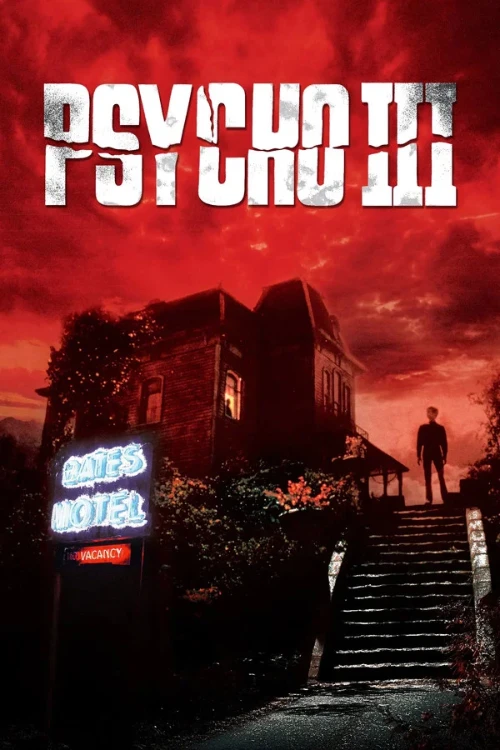
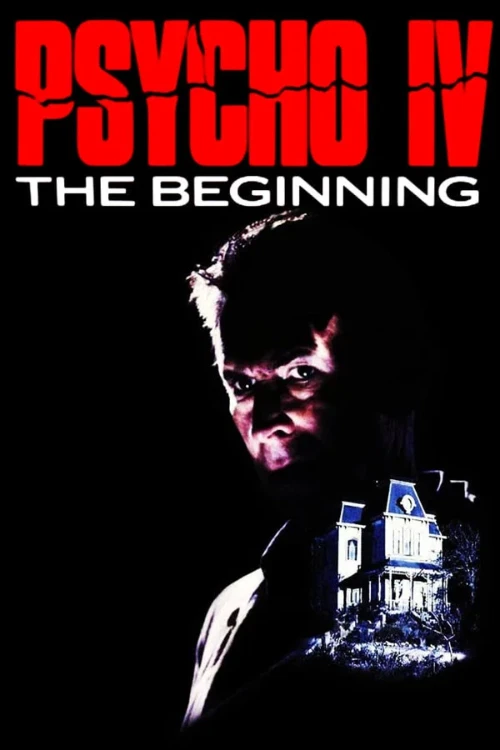
Norman Bates is back again running his "quiet" little motel a month after the events in Psycho II. Norman meets three new people, one being a beautiful young nun with whom his budding relationship is beginning to make his "Mother" jealous. He also hires a young man in need of a job to take care of the motel. A snooping reporter is showing interest in Norman's case. What will these new friends do for Norman?
"Psycho III" (1986) marks a distinctive chapter in the iconic thriller franchise, notably serving as the directorial debut of lead actor Anthony Perkins. Moving away from Hitchcock's psychological suspense and the second film’s mystery-thriller blueprint, this third installment leans into the atmospheric, gothic slasher aesthetic of the 1980s. The narrative follows Norman Bates as he continues to run the fateful Bates Motel, hoping for a sense of normalcy. When he encounters Maureen, a guilt-ridden novitiate on the run from a convent, Norman sees a glint of redemption. However, the omnipresent shadow of "Mother" quickly resurfaces to tear apart any hope of salvation.
Perkins proves to be a surprisingly adept director, infusing the film with stylish visual flair, stark color choices, and heavy religious symbolism. By emphasizing the tragic romance between two deeply broken individuals, Perkins brings a poignant vulnerability to Norman's character that transcends traditional horror tropes. Backed by strong supporting performances from Diana Scarwid and Jeff Fahey, the film balances bloody slasher elements with a darkly comedic, psychological undercurrent.
While it may not match the historic brilliance of the original, "Psycho III" remains a highly stylish, misunderstood, and deeply personal entry that showcases Anthony Perkins' multifaceted talent both in front of and behind the camera.